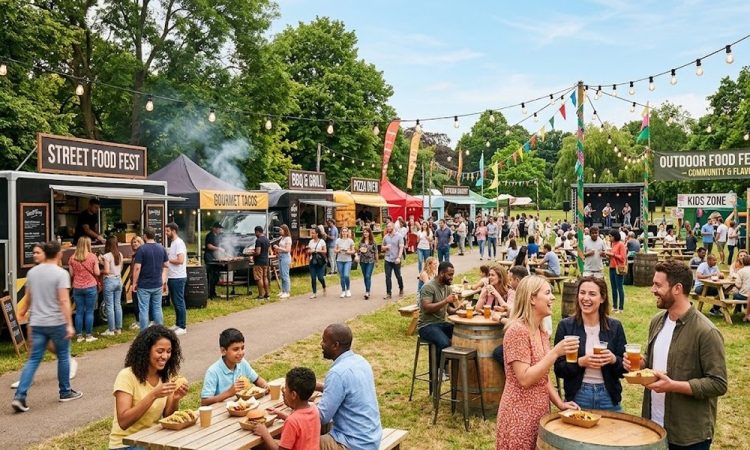
Outdoor food has a different feel from a standard indoor meal. Guests see the cooking, smell the smoke, hear the grill working and gather around the food before it reaches the table. That can make an event feel relaxed and generous, but only if the planning is tight behind the scenes.
A good outdoor menu is not just about meat on a grill. You need the right serving pace, enough vegetarian options, proper weather planning, safe holding temperatures and a setup that works for the venue. Get those details right, and the food becomes the centre of the day without turning the event into a queue.
Start With the Type of Event
The first decision is the style of gathering. A garden birthday, office summer party, wedding evening meal and community event all need different food planning. A small private event can work well with a compact menu and a few standout dishes. A larger guest list needs faster service, clear stations and food that holds well without losing texture.
When comparing barbecue catering options, look beyond the menu. Ask how the team handles timing, dietary needs, weather, equipment, cleanup and serving pace. The food matters, but the operation behind it decides whether guests eat smoothly.
Build the Menu Around Flow
The biggest mistake with grilled food at events is making every dish labour-intensive. If each plate needs individual attention, service slows down fast. Mix slow-cooked items, quick-grilled dishes, salads, breads and sauces so the team can serve steadily.
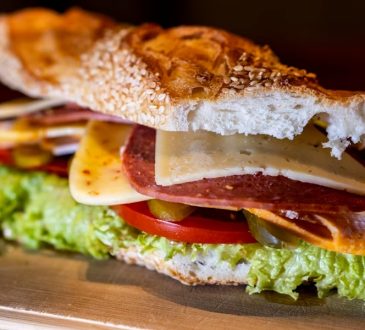
For example, pulled beef, smoked chicken, grilled vegetables, flatbreads, slaw and roasted potatoes can work together because not every item needs the same last-minute attention, and they work perfectly well with a barbecue catering event. Add one or two hero dishes, then support them with sides that are easy to portion.
Dietary Needs Should Not Feel Like an Afterthought
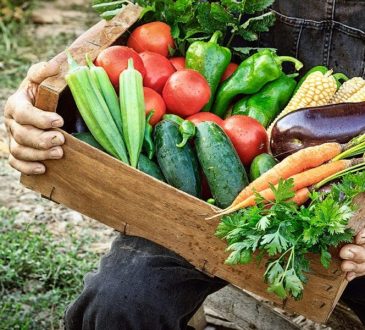
Vegetarian, vegan and gluten-free guests should not be left with a token salad. Outdoor menus can accommodate dietary needs well when planned from the outset. Grilled halloumi, marinated mushrooms, vegetable skewers, bean dishes, dressed grains and fresh salads can sit naturally beside meat dishes.
The main thing is separation. Ask how the caterer avoids cross-contact between meat, vegetarian food and allergens. Separate utensils, trays and grill zones matter, especially when guests have allergies rather than preferences.
Weather Is Part of the Menu
Outdoor food planning has to take the weather into account. Heat affects chilled dishes. Wind affects flames and serving stations. Rain affects guest movement and staff safety. Even if the forecast looks clear, the plan should include cover for cooking, cover for service and a dry place for guests to collect food.
You do not need to overcomplicate it. A simple marquee, weighted covers, stable tables and a sensible serving route can prevent most problems. If power is needed, confirm who supplies it and where cables will run.
Serving Style: Buffet, Plated or Stations?
Buffets work well for relaxed events, but they need enough space on both sides of the table. Plated service feels more formal, yet it can reduce the theatre of outdoor cooking. Food stations are often the best middle ground for larger gatherings because they split the crowd and let guests choose without one long line forming.
Practical checklist:
- Confirm guest numbers and dietary needs early.
- Ask how many staff will attend.
- Check what equipment is included.
- Agree on setup and pack-down times with the venue.
- Decide where guests will queue before the event starts.
- Put sauces, napkins and cutlery away from the main cooking point.
The Final Detail Most People Forget
Smell and smoke are part of the appeal, but they need to be placed carefully. Do not set the grill right beside seating, a bar queue or a doorway that everyone must use. Guests should feel drawn toward the food, not trapped in smoke while they talk.
A grill-led event works best when it feels easy for guests and is tightly managed for everyone behind the scenes. Plan the flow, protect the food from the weather, treat dietary needs seriously and make sure the service area has enough room. Then the cooking can do what it does best: bring people together around food that feels generous, fresh and worth waiting for.