Organic Baby Snacks Supporting Early Flavor Discovery and Growing Taste Preferences

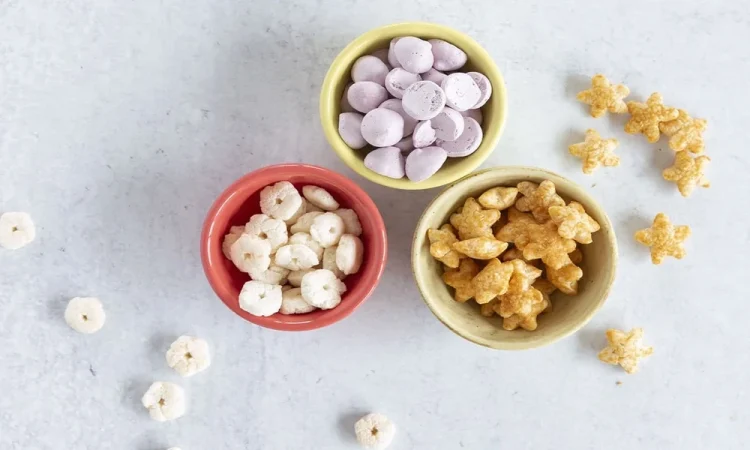
Early eating habits can influence how a child responds to new flavours over time. Baby snacks can introduce gentle variety during growing stages while making each eating moment more interesting. Simple ingredients can help parents make suitable choices without creating complicated routines. Paying attention to texture and age guidance can create a steady path toward choosing organic baby snacks.
Early Taste Exploration
Young children become familiar with new flavours through gentle exposure over time. Each new taste gives them an opportunity to notice something different during eating. Soft textures can also support early attempts at independent eating. A relaxed routine can make unfamiliar choices feel easier to accept.
Simple Ingredient Choices
Reading ingredient labels allows parents to know what each serving contains. Simple ingredient lists can make daily choices easier to review. Families looking for thoughtfully selected ingredients for young children can consider organic baby snacks that fit their child’s needs. Parents can consider the label with their child’s age in mind.
• Short ingredient lists can make daily selection easier for parents.
• Clear labels help identify unnecessary sweeteners or added flavoring agents.
• Familiar ingredients may encourage acceptance of newer tastes gradually.
• Suitable textures can match changing eating abilities during growth.
• Simple recipes can fit naturally into regular feeding routines.
Texture Changes Matter
Texture becomes increasingly important as children develop their eating skills. Softer choices may suit earlier stages, while thicker forms can support growing abilities. Gradual changes allow children to become familiar with different mouth sensations. Parents can adjust textures when their child becomes ready for something different.
Building Familiar Preferences
Children may gradually accept new flavours when they encounter them regularly. An unfamiliar taste can become easier to enjoy after being offered on several occasions. Providing different options without pressure can create a more relaxed eating routine. Parents can observe which choices their child accepts more readily over time.
• Gentle repetition gives children time to recognize unfamiliar flavours.
• Different textures can encourage curiosity during independent eating moments.
• Familiar choices can provide reassurance between newer selections.
• Small portions can make trying unfamiliar choices feel manageable.
• Regular routines can support acceptance of changing tastes gradually.
Reading Feeding Signals
Children may show their preferences through simple reactions during eating. Facial movements can provide clues about whether something feels unfamiliar or enjoyable. Changes in attention can also help parents understand their child’s response. Watching these signals allows feeding choices to change naturally without pressure.
Encouraging Independent Eating
Children gradually become more confident when they can explore suitable choices at their own pace. Easy to handle portions can support early attempts at eating without constant assistance. Suitable textures may encourage children to practice chewing while becoming familiar with new sensations. Allowing enough time during meals can make independent eating feel more natural.
Creating Balanced Routines
A regular eating pattern can make new flavours easier to introduce. Suitable choices can be offered around normal meals without making eating feel forced. Portion sizes should reflect the child’s age and appetite. Keeping different options available can encourage wider preferences as growth continues.
Parents can support early flavour discovery through patient exposure and suitable food choices. Gradual texture changes can help children adjust at their own pace. Watching feeding signals can guide future selections without creating pressure. A consistent routine gives young children repeated opportunities to discover new tastes while developing personal preferences naturally.
FAQs
Can unfamiliar flavours be introduced gradually during early feeding stages?
Yes, gradual exposure gives children time to recognize unfamiliar flavours.
Should texture change as children develop stronger eating skills?
Yes, suitable changes can support developing eating abilities naturally.
How can parents encourage broader taste preferences without pressure?
Offer different choices regularly while respecting the child’s responses.