Introduction
Food is one of the most important parts of a Malay wedding celebration in Singapore. It helps families reflect their culture and hospitality. So, when planning a Malay wedding in Singapore, one major concern is whether to include traditional Malay cuisine or a modern halal menu. Both options have their own advantages. Traditional options represent their culture and familiar cuisines, and modern halal menus present new dishes and beautiful food presentations.
Read the article below to learn about the difference between traditional and halal catering Singapore.
Traditional Halal Menus: Preserving Malay Food Culture
Traditional Malay wedding menus include classic dishes that have been enjoyed for generations. These foods are popular for their rich flavours, aromatic spices, and tender pieces.
Popular traditional dishes include:
1. Nasi Minyak:
Fragrant, tasty rice cooked with fat and spices, often served with curry or rendang.
2. Beef Rendang:
Slow-cooked beef prepared with coconut milk and aromatic seasonings.
3. Ayam Masak Merah:
Chicken boiled in a rich, aromatic, chilli-based sauce.
4. Sambal Goreng Pengantin:
A traditional recipe with ingredients like chicken, liver, and tempeh cooked with sambal.
5. Acar:
Pickled salads that provide a new contrast to rich main courses.
These bowls are popular selections for usual Malay wedding receptions because they offer familiar tastes and meaningful significance.
Modern Halal Menus: Exploring New Food Experiences
Modern halal marriage menus mix traditional influences with modern culinary plans. They are suitable for couples who want variety while ensuring their food selections meet halal requirements.
Some standard modern cuisine alternatives include:
1. Fusion appetizers:
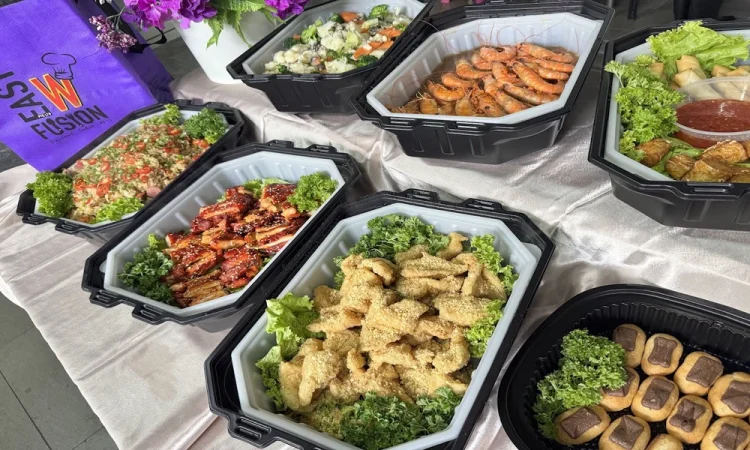
Mini spring rolls, hen satay skewers and bite-sized savoury snacks.
2. Western-inspired mains:
Roasted chicken, baked extract and noodle dishes prepared using halal ingredients.
3. Creative rice selections:
Flavoured rice served with up-to-date sauces and side pots.
4. Contemporary fruits:
Mini cakes, cookie cups, brownies and various pastries.
Modern cuisines likewise offer opportunities for appealing drink displays and interactive live food stations.
Differences in Presentation and Dining Experience
Traditional halal menus occasionally feature generous portions and good buffet arrangements. Food is commonly served in large trays, allowing clients to enjoy it luxuriously. Modern wedding catering frequently places greater prominence on presentation. Coordinated serving displays, individual portions, and live food stations can form a more contemporary look. Couples should consider their wedding scene, guest numbers, and reception style before deciding on the presentation.
Budget and Guest Preferences
Budget is another main factor when selecting a wedding cuisine. Traditional buffet may offer friendly plates and practical food combinations. Modern cuisines may include extra costs depending on the ingredients, performance, and live cooking arrangements.
Guests’ choices can also influence the decision. Older family members may appreciate Malay wedding catering Singapore, while younger ones might relish fusion alternatives and modern cakes.
Conclusion
Traditional and current halal menus both have something distinctive to offer Malay marriage festivals. Traditional dishes maintain cultural flavours, while modern selections present differences and modern presentation.
By joining favourite traditional dishes with selected new dishes, couples can assemble a balanced wedding buffet that caters to different tastes and makes their event memorable.